Entry · Ref RQH5GEIL
Finding the Right Home for a French Bulldog in Need
- Posted
- 2026-11-08
- Last amended
- 2026-11-08
- Account
- @thefrenchbulldogadoptionhouse
Understanding the Journey of Rescue and Rehoming
Bringing a new dog into your life is a decision that deserves careful thought, especially when the dog has come from a situation where its previous home could no longer keep it. For those drawn to the compact, affectionate nature of French Bulldogs, the path to adoption often begins not with a breeder but with a rescue organization. These groups work to assess each dog's needs, provide temporary care, and ultimately match the animal with a family that can offer stability and attention. The process is not always quick, and that is by design. A thoughtful approach benefits both the dog and the people who hope to welcome it.
Rescue organizations typically rely on a network of foster homes rather than a central shelter. This setup means that each dog lives in a home environment while waiting for a permanent placement. Foster caregivers learn about the dog's personality, habits, and any medical or behavioral needs. That information becomes the foundation for finding a suitable match. For the adopter, this means you are not guessing about the dog's temperament. You receive a realistic picture of what life with that particular dog will look like, which reduces the chance of a mismatch later on.
The Adoption Process and What It Involves
Every rescue group has its own procedure, but most follow a similar pattern. The first step is usually an application. This form asks about your living situation, your experience with dogs, your daily schedule, and how you plan to care for a French Bulldog. The questions are not meant to be intrusive. They help the organization determine whether your home and lifestyle align with what a specific dog needs. Honesty at this stage is important. If you work long hours away from home, say so. If you have other pets or young children, mention that. The goal is a good fit, not a quick placement.
After the application comes a conversation, often by phone or video call. A volunteer or staff member will discuss your answers and ask follow-up questions. This is also your chance to ask about the dog's history, health, and behavior. Good rescues encourage questions. They want you to feel informed and comfortable. Following that, a home visit may be arranged. A volunteer comes to your home to see the space where the dog will live. They check for safety concerns, such as secure fencing, accessible water, and a quiet area where the dog can rest. The visit is not an inspection of your housekeeping. It is a practical check to make sure the environment is suitable for a French Bulldog, a breed that can overheat easily and does not tolerate extreme temperatures well.
Once the home visit is complete and both sides are satisfied, the next step is a meet-and-greet. If you have other dogs, the rescue will usually want them to meet the new dog on neutral ground before the adoption is finalized. This meeting helps reveal how the animals interact and whether they are likely to get along. Patience here pays off. Rushing this stage can lead to problems that are hard to undo.

What to Expect After You Are Approved
Approval does not mean you take the dog home that same day. Most rescues require a cooling-off period, often twenty-four to forty-eight hours, so you can reflect on the decision. This is not a lack of trust. It is a safeguard against impulse adoptions. During this time, you can prepare your home. Set up a designated sleeping area, buy food and bowls, and remove any items the dog might chew or swallow. French Bulldogs are known for their curiosity and their love of chewing, so a quick safety sweep of the house is worthwhile.
When the adoption is finalized, you will likely sign a contract. This document outlines your responsibilities as the new owner and may include a clause that requires you to return the dog to the rescue if you can no longer keep it. Many contracts also require you to provide routine veterinary care, keep the dog indoors, and not use the dog for breeding. Read the contract carefully before signing. It is a legal agreement, and it protects the dog's welfare above all else.
The adoption fee you pay covers some of the costs the rescue has already incurred. These costs include spaying or neutering, vaccinations, microchipping, and any medical treatment the dog received while in foster care. The fee is not a purchase price. It is a contribution that helps the rescue continue its work. For French Bulldog adoption, this fee is often higher than for mixed-breed dogs because the breed is prone to certain health issues that require veterinary attention. Even so, the fee is almost always lower than what you would pay a breeder, and the dog arrives already vetted.
Common Health Considerations for Rescued French Bulldogs
French Bulldogs have a distinctive appearance, with their short snouts, bat ears, and sturdy bodies. Those same features come with specific health vulnerabilities. Brachycephalic airway syndrome affects many French Bulldogs, making breathing less efficient, especially in hot or humid weather. A rescued dog may already have a history of breathing difficulties, and you will need to manage its activity levels and exposure to heat accordingly. Skin allergies are also common, as are ear infections, hip dysplasia, and spinal issues. None of these conditions are guarantees, but they are common enough that a prospective owner should be aware of them.
Before adopting, ask the rescue about the dog's medical history. Find out what treatments have been given and whether any ongoing conditions require medication or special care. A responsible rescue will share this information openly. If the dog has a chronic condition, ask about the expected costs and time commitment. Some conditions, like allergies, can be managed with diet and regular cleaning. Others, like hip dysplasia, may require surgery or long-term pain management. Knowing what you are taking on allows you to make an informed decision and prepare financially.
Adjusting to Life in a New Home
The first few weeks after adoption are a transition period. The dog may be anxious, confused, or withdrawn. This is normal. A dog that has been surrendered or lived in a foster home needs time to understand that this new place is permanent. Establish a routine as soon as possible. Feed the dog at the same times each day, take it out on a consistent schedule, and provide a quiet space where it can retreat when overwhelmed. Do not overwhelm the dog with visitors or new experiences in the first week. Let it explore the home at its own pace.

Training is an important part of the adjustment. French Bulldogs are intelligent but can be stubborn. Positive reinforcement methods work best. Use treats, praise, and patience. If the dog has behavioral issues, such as resource guarding or separation anxiety, seek guidance from a professional trainer who uses force-free techniques. Many rescues offer post-adoption support or can recommend trainers who are familiar with the breed. Do not hesitate to reach out. A small problem addressed early is far easier to solve than one that has become ingrained.
Socialization should be gradual. Introduce the dog to new people, other dogs, and different environments one at a time. Watch for signs of stress, such as panting, yawning, or avoiding eye contact. If the dog seems uncomfortable, slow down and give it more time. The goal is to build confidence, not to force interaction. With patience, most dogs settle in and begin to show their true personality within a few weeks.
Why Foster Care Matters for Successful Placement
Foster care is the backbone of many rescue operations. Without foster homes, organizations would have no way to take in dogs from shelters or from owners who can no longer keep them. Foster caregivers provide not just shelter but also socialization, basic training, and medical oversight. They are the ones who notice that a dog is afraid of stairs or that it sleeps better with a blanket. This detailed knowledge is what allows the rescue to match the dog with an appropriate adopter. When you adopt a dog that has been in foster care, you are getting an animal whose needs and habits have been observed and documented. That reduces the guesswork for everyone involved.
For the adopter, this means you can walk into the relationship with realistic expectations. You know whether the dog is house-trained, how it reacts to cats, whether it can be left alone for a few hours, and what kind of exercise it needs. That information is gold. It allows you to prepare your home and your schedule in a way that sets the dog up for success.
French Bulldog adoption through a foster-based rescue also means the dog has already been living in a home, not a kennel. That experience makes the transition to a new home smoother. The dog understands house rules, knows how to walk on a leash, and is accustomed to the rhythms of daily life. This is a significant advantage, especially for first-time owners of the breed.
Deciding Whether Adoption Is Right for You
Adopting a French Bulldog is not a decision to make lightly. The breed requires consistent care, moderate exercise, and attention to health issues that can be costly over time. But for many people, the companionship and loyalty of a French Bulldog make the effort worthwhile. If you have the time, the resources, and the patience to work through the adjustment period, adoption can be a deeply rewarding experience. You give a dog a second chance, and in return, you gain a devoted companion.
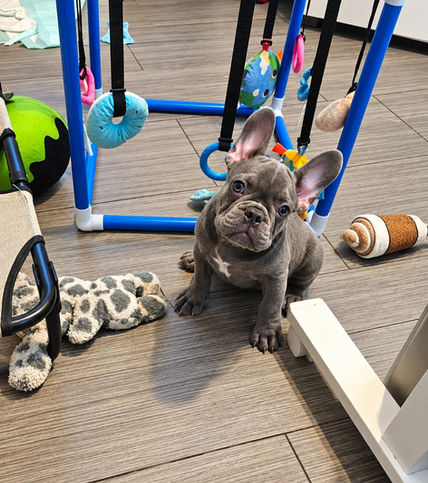
Before you apply, take stock of your own situation. Do you have a stable home where the dog will be safe and comfortable? Can you afford routine veterinary care and potential emergency treatments? Are you prepared to limit outdoor activity in hot weather and to keep the dog cool indoors? These are not hypothetical questions. They are the daily realities of living with a brachycephalic breed. If your answers are honest and affirmative, then you are ready to take the next step.
Start by researching rescues that operate in your area or that work with the breed specifically. Look for organizations that are transparent about their process, their fees, and their policies. Read reviews or ask for referrals from other adopters. A good rescue will be happy to answer your questions and will not pressure you into a decision. The right match takes time. When it happens, it is worth the wait.